
Career Success and Emotional Well-Being: Why Leadership Can Feel Lonely
Professional success is often associated with achievement, recognition, and increased responsibility. However, research shows that leadership roles can also bring significant psychological demands. While the outside world sees the milestones, leaders frequently experience high levels of responsibility, decision fatigue, and a reduced opportunity for emotional vulnerability. These pressures can contribute to significant stress, burnout, and a sense of isolation.
What are the hidden psychological demands of leadership?
Leadership involves more than just managing a team; it requires immense cognitive and emotional labor. Leaders often face a constant pressure to perform while navigating complex interpersonal dynamics, which can lead to emotional strain and chronic stress over time.
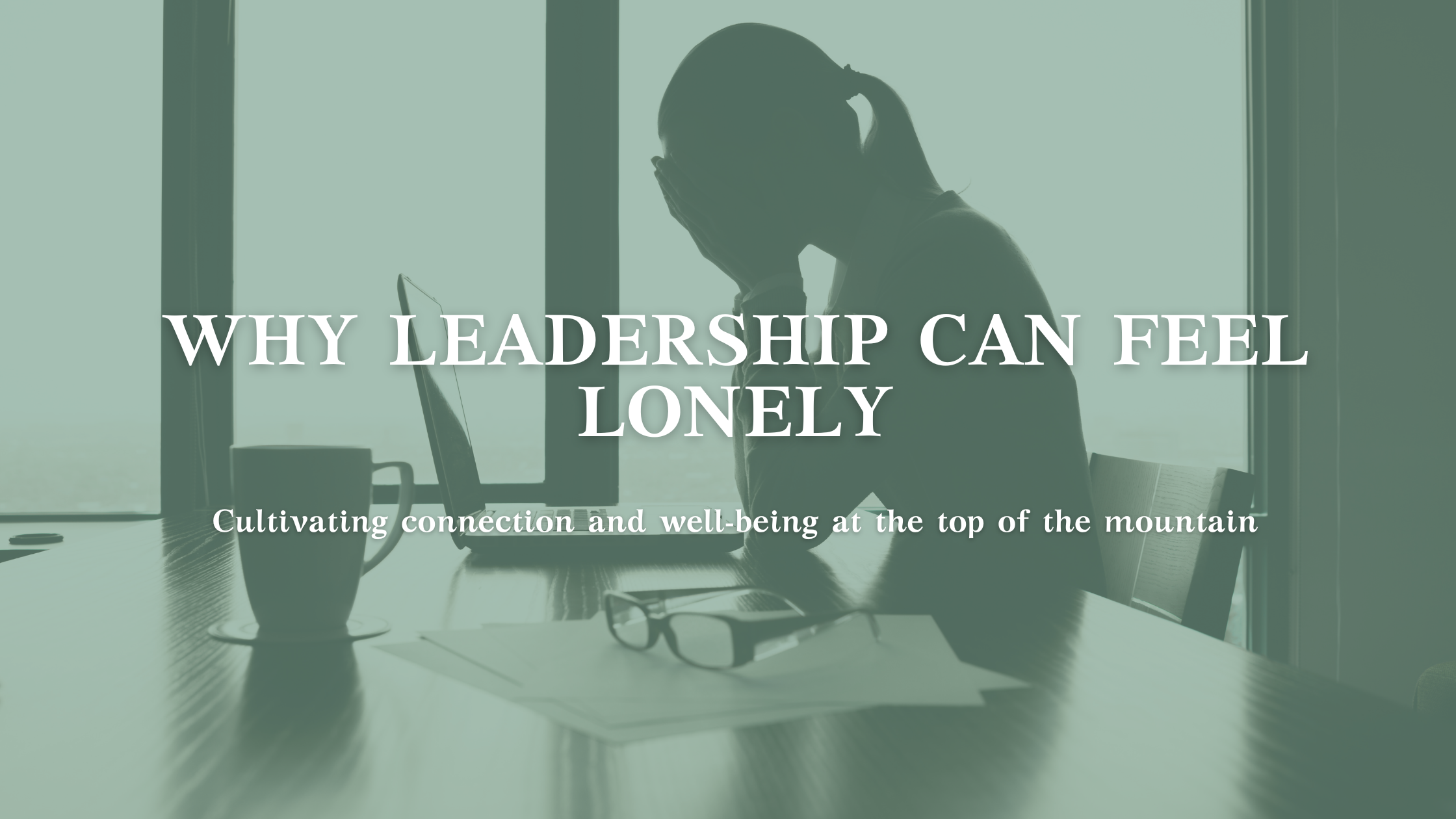
The Phenomenon of Being "Lonely at the Top"
Psychologists sometimes refer to a specific phenomenon known as being “lonely at the top.” Individuals in leadership roles may feel they cannot openly express uncertainty or vulnerability due to expectations of confidence and competence from their teams and stakeholders.
Why do leaders report higher levels of social isolation?
Research in organizational psychology suggests that leaders often report higher levels of social isolation and emotional strain than their peers (Kets de Vries, 2014). Leadership roles may limit opportunities for open discussion of uncertainty, particularly when individuals feel responsible for maintaining stability for others. Studies suggest that reduced social connection at work is associated with lower engagement and poorer psychological well-being (Ozcelik & Barsade, 2018; Basit, 2023).
The Pressure of Constant Performance and Decision Fatigue
Career advancement often increases expectations for strategic thinking, emotional regulation, and responsibility for others. While these demands can be rewarding, they may also create chronic stress.
How does leadership responsibility affect stress levels?
A study published in the Journal of Applied Psychology found that leadership roles are associated with both increased control and increased psychological demands (Sherman et al., 2012). Managing others’ emotions and maintaining professional composure during challenging situations contributes to a unique form of role strain that requires dedicated mental health maintenance.
Strategies for Supporting Mental Health in High-Responsibility Roles
Maintaining well-being while pursuing ambitious goals requires more than occasional self-care. It requires a structured approach to psychological sustainability.

How does leadership style impact mental health?
Recent research highlights the importance of leadership style in protecting mental health. Positive approaches such as transformational and supportive leadership have been associated with greater psychological sustainability… lower burnout among both leaders and their teams (Onan et al., 2025).
Success without burnout
-
Leadership without isolation
-
Connection over performance
-
Leading from within
-
Sustainability over exhaustion
-
Impact without sacrifice
-
Success without burnout - Leadership without isolation - Connection over performance - Leading from within - Sustainability over exhaustion - Impact without sacrifice -
What are effective ways for leaders to maintain psychological well-being?
Helpful strategies for maintaining balance and protecting your mental energy include:
Developing strong professional boundaries to protect personal time and prevent "always-on" fatigue.
Cultivating trusted peer or consultation relationships to reduce the isolation of being "at the top."
Engaging in reflective practices such as journaling, supervision, or coaching to process the weight of decision-making.
Seeking confidential professional support to process stress in a safe, non-judgmental environment.
Why "Psychological Sustainability" Matters
Unlike a quick "reset," sustainability focus recognizes that leadership is a marathon. By prioritizing your mental health as a core professional asset, you ensure that you can lead effectively for the long term without compromising your personal life or emotional health.
For leaders across 40+ states, Dr. Irina Bransteter provides the specialized support needed to move from a state of strain to a state of psychological sustainability.
View All 40+ Authorized PSYPACT States
I am legally authorized to provide secure telehealth to residents in:
AL, AZ, AR, CO, CT, DE, DC, FL, GA, ID, IL, IN, KS, KY, ME, MD, MI, MN, MS, MO, NE, NV, NH, NJ, NM, NC, ND, OH, OK, PA, RI, SC, SD, TN, TX, UT, VT, VA, WA, WV, WI, WY, and the Commonwealth of the Northern Mariana Islands.
